 Margin Pro
 UniCon
 Seller 365
 Onsite Support
 AI Operator
 Retail 365


 Blog
Blog A guide to converting Asian sizes to US sizes for Amazon sellers
Sizing issues kill profits. This cheat sheet helps you convert Asian sizes to US standards before returns flood in.


Ever ordered clothes online only to discover they’re completely the wrong size? As an Amazon seller, you’ve probably seen this scenario play out in your customer reviews.
When you source clothing from Asian manufacturers but sell to US customers, understanding size conversion becomes critical to your business success. Let’s break down exactly how to navigate this challenge and save yourself from the return nightmare.
Why size conversion matters for Amazon sellers
Online clothing returns are staggering: according to Statista, clothes and shoes topped the list of most returned online purchases in the US last year. 25% of returned clothes were sent back because they didn’t fit properly.
The financial impact hits hard. In 2024 alone, returns in the United States cost businesses nearly $890 billion. As an Amazon seller, you’re forced to absorb returns processing fees and other costs when customers send items back.
But size conversion isn’t just about avoiding returns. It directly impacts:
- Customer satisfaction: Buyers obviously expect accurate sizing information.
- Brand reputation: Consistent sizing issues damage your seller rating.
- Profit margins: Returns eat directly into your bottom line.
- Operational efficiency: Processing returns consumes valuable time.
Who needs to convert Asian sizes to US sizes?
Size conversion knowledge is essential for:
- Sellers sourcing products from Asian manufacturers but selling to US customers
- Multi-regional sellers serving customers across different geographic markets
- Any Amazon seller importing clothing, shoes, or accessories from China, Japan, Korea, or other Asian countries
If you’re dropshipping or using a private label model with Asian suppliers, proper size conversion becomes particularly critical to your business model.
How to convert Asian sizes to US sizes
There’s no universal standard for converting Asian sizes to US sizes. Different brands and manufacturers have their own sizing charts and systems. Here are three practical approaches to tackle this challenge:
1. Work directly with your supplier
Most experienced Asian suppliers who work with international clients already understand size conversion needs. When establishing your relationship:
- Ask if they have size conversion charts available
- Request their specific measurements for each size they produce
- Confirm which sizing standard they use (Chinese, Japanese, Korean, etc.)
Reputable suppliers will provide detailed sizing information that helps you create accurate listings for your US customers.
2. Measure products manually
The hands-on approach never fails:
- Request product samples from your supplier
- Measure each item yourself using a tape measure
- Compare measurements to standard US size charts
- Create your own conversion chart based on actual measurements
This method takes more time but gives you precise data for your specific products, which reduces return rates.
Some size chart examples for reference
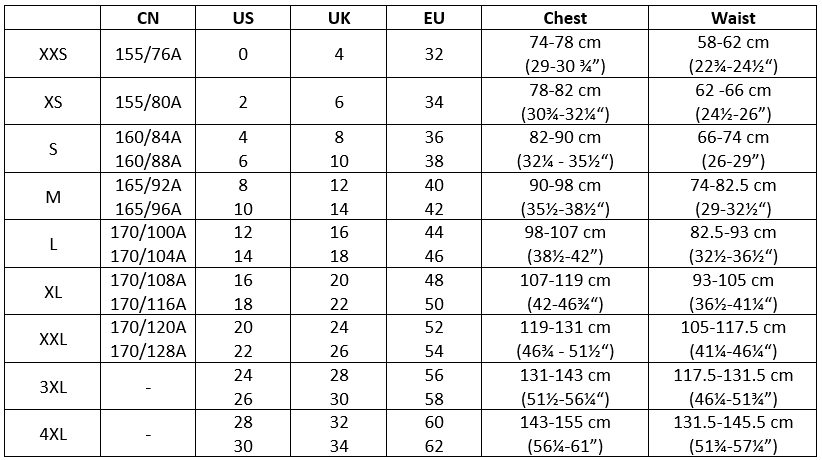
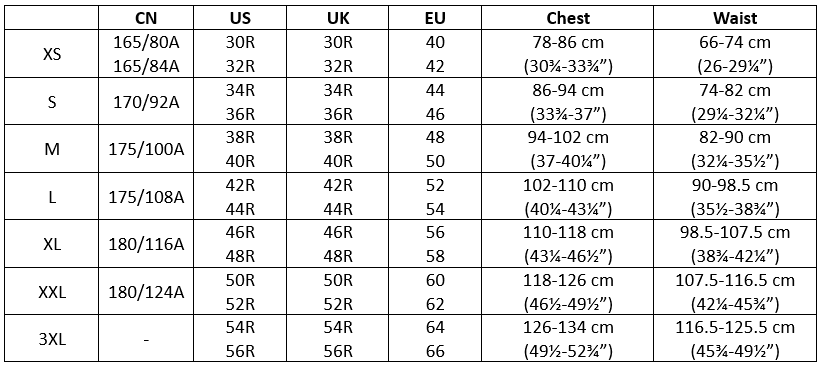
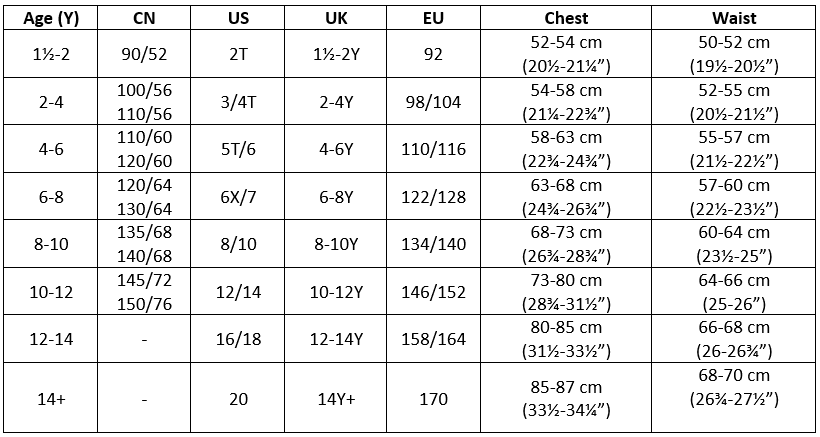
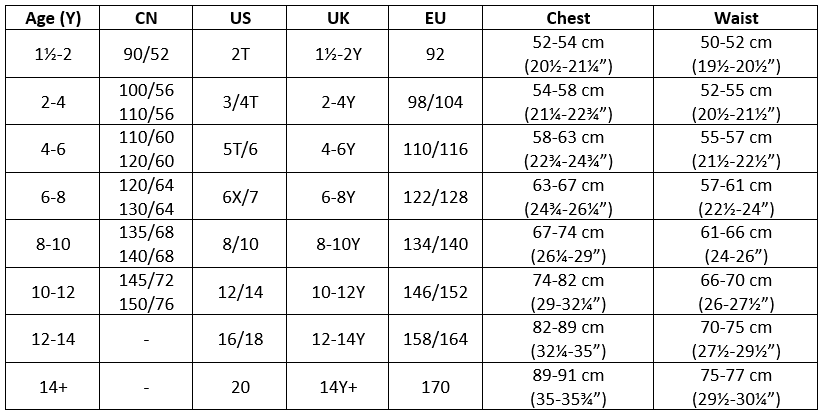
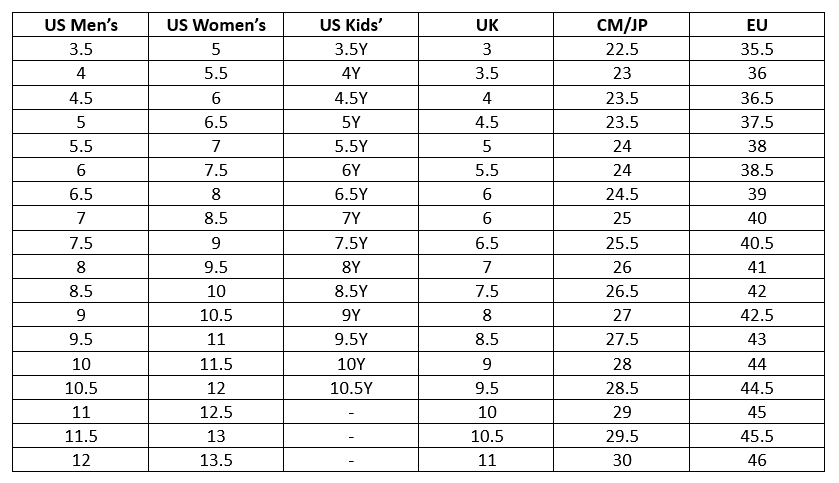
To illustrate the differences between regional sizing, here are examples from major brands:
H&M women’s tops size chart
H&M men’s tops size chart
Girls’ tops size chart
Boys’ tops size chart
Nike size chart
How to take accurate measurements
To create precise size conversions, you need consistent measurement techniques. Share these measurement guidelines with your customers to help them find their perfect fit:
For clothing
- Neck: Measure around the base of the neck (keeping slightly loose for comfort)
- Sleeve: Measure from the middle of the back of the neck to the wrist bone
- Chest: Measure the circumference from under the armpits (for women, over the fullest part of the bust)
- Waist: Measure around the narrowest part of the waistline
- Hips: Measure around the fullest part of the hips
- Inseam: Measure from the crotch area to the ankle
For shoes
- Measure foot length from heel to longest toe
- Measure foot width at the widest point
- Use centimeters for the most accurate results
Best practices for Amazon sellers
Implement these strategies to minimize sizing issues and keep your customers happy:
1. Add detailed size charts to every listing
Don’t rely on generic size descriptions. Create comprehensive size charts that include:
- Side-by-side comparisons of Asian and US sizes
- Detailed measurements in both inches and centimeters
- Visual guides showing how to measure properly
Make your size chart visible and easy to find on every product listing.
2. Use clear size recommendations in descriptions
Go beyond basic charts with specific guidance like:
- “This shirt runs small. We recommend sizing up one size from your usual US size.”
- “Our medium is equivalent to a US small (4-6)”
- “This style has a loose fit, so consider sizing down if you prefer a more fitted look”
Be specific about fit tendencies for each product. Don’t use generic statements across your entire catalog.
3. Leverage customer reviews for sizing insights
Customer feedback provides valuable social proof:
- Encourage buyers to mention sizing in their reviews
- Feature reviews that specifically address fit and sizing
- Monitor review patterns to identify potential sizing issues
This real-world feedback helps future customers make better size selections.
4. Work closely with your suppliers
Build strong supplier relationships to improve sizing accuracy:
- Request detailed measurements for each production run
- Alert suppliers when you receive sizing complaints
- Ask for samples when product specifications change
Regular communication with suppliers helps prevent sizing drift over time.
5. Offer assistance with conversions
Make it easy for customers to get sizing help:
- Provide clear contact information for sizing questions
- Train your customer service team to handle size conversion inquiries
- Consider implementing a pre-purchase size recommendation form
Personal assistance demonstrates your commitment to customer satisfaction.
6. Avoid “one size fits all” options
Asian “free size” or “one size” items rarely fit US customers well:
- Offer multiple size options whenever possible
- Be extremely specific about measurements for any one-size items
- Consider extended sizes for broader customer appeal
Variety in sizing accommodates more body types and reduces returns.
7. Stay updated on international standards
Sizing standards evolve over time:
- Monitor the International Organization for Standardization (ISO) guidelines
- Stay informed about changes in manufacturing practices
- Update your size charts regularly based on customer feedback
Keeping current with standards shows your professionalism and commitment to accuracy.
Converting sizes means converting browsers to buyers
Accurate size conversion isn’t just about preventing returns. It’s about creating confidence during the buying process. When customers trust your sizing information, they’re more likely to purchase from you again and recommend your store to others.
The time you invest in creating detailed size charts, offering clear guidance, and maintaining sizing accuracy pays dividends through:
- Lower return rates
- Higher customer satisfaction
- Improved seller ratings
- Repeat business
- Reduced operational headaches
In short, in the competitive Amazon marketplace, sizing accuracy gives you an edge that translates directly to your bottom line.
Ready to streamline your Amazon selling operations (beyond just size conversions)? Seller 365 combines 10 essential seller tools in one affordable platform for just $69/month.
From product sourcing and inventory management to automated repricing and profit analytics, Seller 365 gives you everything you need to scale your business without the complexity of multiple subscriptions. Try it free for up to 14 days today.