 Margin Pro
 UniCon
 Seller 365
 Onsite Support
 AI Operator
 Retail 365


 Blog
Blog Amazon FBA vs. dropshipping: What’s the best move for sellers?
FBA brings scale and structure; dropshipping brings flexibility. Choosing wrong could cost you more than just time, so we’re here to help.

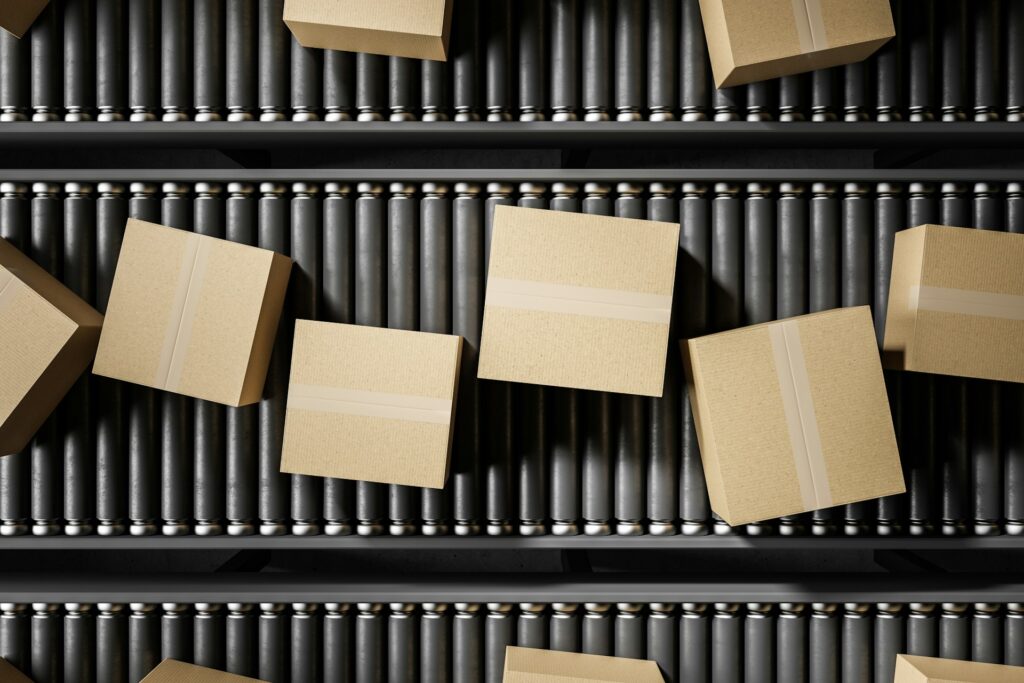
Wondering which ecommerce model fits your business goals? Amazon FBA and dropshipping represent two popular paths for online sellers, each with distinct advantages and challenges. This comparison breaks down what sets these models apart, from startup costs to profit margins, so you can choose the right approach for your situation.
What is Amazon FBA?
Amazon’s Fulfillment by Amazon (FBA) service handles the heavy lifting of ecommerce logistics. You send your products to Amazon’s fulfillment centers, and they take care of storage, packaging, shipping, and even customer service on your behalf.
The process starts when you create your product listings in Seller Central and prepare your inventory according to Amazon’s guidelines. After shipping your products to Amazon’s fulfillment centers, they become available for purchase. When a customer orders, Amazon handles everything from picking and packing to shipping and returns processing.
FBA integrates seamlessly with Amazon’s ecosystem, making your products eligible for Prime shipping benefits. This Prime badge boosts visibility and conversion rates, as customers trust the fast, reliable delivery experience. FBA also works with Amazon’s promotional tools and brand-building features, creating a cohesive selling environment that can accelerate growth.
What is dropshipping?
Dropshipping eliminates inventory management entirely. As a dropshipper, you list products for sale without physically handling them. When a customer places an order, you forward the purchase details to a third-party supplier, who ships the product directly to the buyer.
The fundamental appeal lies in its simplicity. You act as the middleman, focusing on marketing and customer acquisition while your supplier handles fulfillment. This creates a lean business model with minimal overhead and the flexibility to test various product categories without significant upfront investment.
On Amazon specifically, though, dropshipping comes with strict rules. You must be the seller of record, remove all third-party branding from packaging and invoices, and take full responsibility for returns and customer service. Violating these policies can lead to account suspension, making compliance crucial for long-term success.
Dropshipping vs. Amazon FBA: Which one should you pursue?
In terms of costs and capital requirements
FBA demands significantly higher upfront investment. You’ll need to purchase inventory in bulk, pay for shipping to Amazon’s fulfillment centers, and cover ongoing storage fees.
These fees vary based on product size and weight, with rates increasing during peak seasons (October-December). Additional costs include long-term storage fees for slow-moving inventory, returns processing, and potential removal fees.
Dropshipping flips this equation, requiring minimal startup capital. Since you don’t purchase inventory until after securing a sale, your primary expenses are platform fees (like Amazon’s $39.99 monthly Professional Seller account) and marketing costs. However, you’ll typically pay higher per-unit costs without the volume discounts available to FBA sellers who buy in bulk.
This cost structure makes dropshipping appealing for testing products or entering the market with limited funds. FBA becomes more cost-effective at scale, where bulk purchasing and Amazon’s fulfillment infrastructure create economies that dropshipping can’t match.
In terms of time investment
Dropshipping offers a more hands-off approach to day-to-day operations. After setting up your listings, the bulk of your time goes into marketing, customer service, and managing supplier relationships. You don’t need to pack boxes, print labels, or manage warehouse space.
FBA requires significant upfront work, preparing and shipping inventory to Amazon’s fulfillment centers. You’ll need to follow strict packaging guidelines, create shipments in Seller Central, and monitor inventory levels across multiple facilities. However, once products arrive at Amazon, the day-to-day fulfillment workload decreases dramatically compared to self-fulfillment.
Both models require ongoing attention to customer service and listing optimization. With dropshipping, you’ll spend more time managing supplier communications and potential fulfillment issues. With FBA, your focus shifts to inventory planning, restock timing, and optimizing for Amazon’s algorithms.
In terms of operational complexity
FBA simplifies logistics but adds complexity to inventory management. Amazon’s strict guidelines for product preparation, labeling, and shipping require careful attention to detail. You’ll need to master Amazon’s workflow tools like the Inventory Performance Dashboard, Restock Inventory Tool, and FBA Reports to maintain healthy inventory levels and avoid costly errors.
Dropshipping creates different operational challenges. Coordinating with suppliers becomes your critical workflow, ensuring orders are processed promptly and shipped according to customer expectations. You’ll need systems to track orders across multiple suppliers, monitor fulfillment status, and address shipping delays or quality issues that might arise.
The complexity balance tips based on your skills and resources. If you excel at supplier negotiations and lightweight operations, dropshipping offers an easier entry point. If you prefer structured systems and can handle upfront logistics, FBA provides a more standardized operational framework with fewer ongoing variables.
In terms of profit margins
FBA typically delivers stronger profit margins at scale. While you’ll pay fulfillment fees (roughly $3-5 per unit for standard-sized items) and storage costs, buying inventory in bulk creates significant cost advantages. Amazon’s Prime badge also enables premium pricing, as customers willingly pay more for fast, reliable shipping.
Dropshipping margins tend to be thinner. Without bulk purchasing power, you pay higher per-unit costs to suppliers. Competition is also fierce in popular dropshipping categories, often forcing price reductions to remain competitive. Shipping costs from third-party suppliers further eat into profits, especially compared to Amazon’s optimized fulfillment network.
In terms of scalability
FBA offers superior scalability for growing businesses. Amazon’s vast fulfillment network can handle massive sales volume spikes without requiring additional resources from you. As orders increase, Amazon automatically allocates resources to maintain shipping timelines and customer experience.
Dropshipping faces scalability bottlenecks. As order volumes grow, supplier relationships become more complex to manage. Quality control and shipping consistency can suffer, especially when working with multiple suppliers or during high-demand periods. Your business becomes dependent on suppliers’ ability to scale their operations alongside yours.
Growth potential also differs significantly. FBA businesses with established sales history and strong metrics make attractive acquisition targets for ecommerce aggregators and investors. The clean operational data and standardized fulfillment create transferable value that dropshipping businesses struggle to match.
When to choose Amazon FBA
FBA makes sense for sellers committed to building a sustainable Amazon presence. First-time sellers or small teams without logistics capabilities benefit from Amazon’s infrastructure, allowing them to compete with larger brands from day one.
Products with consistent demand and competitive positioning perform particularly well with FBA. Categories where fast shipping significantly impacts purchasing decisions—like home goods, electronics, and everyday essentials—see conversion boosts from Prime eligibility. The FBA model also excels for sellers planning international expansion without managing cross-border logistics themselves.
Success with FBA requires certain resources, though. Beyond inventory investment, you’ll need operational discipline to maintain healthy inventory levels and comply with Amazon’s requirements.
But scalability, combined with the professional infrastructure and data transparency FBA provides, creates businesses that appeal to investors and acquirers looking for established Amazon brands.
When to choose dropshipping
Dropshipping shines for entrepreneurs testing the waters of ecommerce with limited startup capital. New sellers can launch without inventory investment, making it ideal for validating product ideas before committing significant resources. The model accommodates side hustles and part-time ventures, as the reduced operational overhead fits around existing commitments.
Broad catalog strategies also benefit from dropshipping flexibility. You can offer extensive product selections across multiple categories without warehousing concerns. This approach works well for niche markets where you want to test various products to identify winners before investing in inventory.
Success requires careful supplier selection and relationship management, though. You’ll need to vet partners for reliability, product quality, and communication standards, as these factors directly impact your customer experience. While technical tools for inventory syncing and order automation aren’t mandatory, they significantly improve efficiency as you scale.
Growth paths from dropshipping often involve strategic pivots. Many successful dropshippers eventually transition high-performing products to FBA or private label models for better margins and control. Others build branded storefronts with exclusive supplier relationships, moving beyond commodity competition toward differentiated offerings with stronger customer loyalty.
Amazon dropshipping vs. FBA: Our verdict
Neither model delivers a one-size-fits-all solution for ecommerce success. The right choice depends on your specific circumstances, resources, and business goals.
FBA makes sense when you have:
- Capital to invest in inventory and Amazon’s infrastructure
- Products where Prime eligibility drives a significant conversion advantage
- Long-term brand-building goals on Amazon
- Capacity to manage inventory planning and Amazon relationship
Dropshipping works better when you:
- Need to minimize upfront investment
- Want to test multiple product categories
- Prefer operational flexibility over maximum profit margins
- Have limited physical space for inventory
Many successful sellers combine both approaches in a hybrid model. They use dropshipping to test new products with minimal risk, then transition proven winners to FBA for improved margins and customer experience. This strategy captures the benefits of both models while mitigating their individual weaknesses.
For sellers pursuing the FBA route, Seller 365 provides comprehensive tools to optimize your Amazon business in one place. Its integrated suite includes sourcing, inventory management, repricing, profit analytics, and more, designed specifically for FBA sellers.
Try Seller 365 free for up to 14 days here.
For dropshippers, SellerRunning offers Amazon-compliant automated dropshipping software across 17 marketplaces. With features for finding profitable products, automating inventory management, one-click order fulfillment, and integrated warehouse tracking, SellerRunning streamlines the entire process.
Try SellerRunning free for 7 days here.
The ecommerce landscape rewards those who align their fulfillment strategy with their resources and goals. Whether you choose FBA’s infrastructure advantages or dropshipping’s lean flexibility, success comes from execution excellence and adapting your approach as your business evolves.