
 Margin Pro
 Retail 365
 AI Operator
 Seller 365

 UniCon
 Onsite Support


 Blog
How to sell wholesale on Amazon: A step-by-step guide
Wholesale on Amazon sounds simple until a brand ghosts you. Here’s how to buy smart and actually profit.

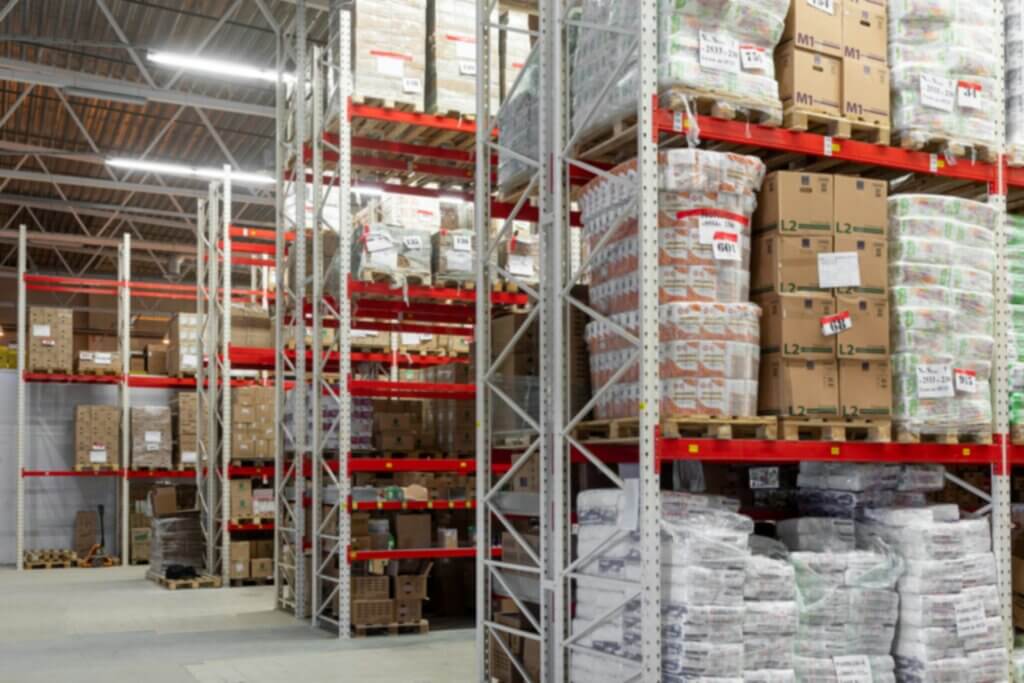
To sell wholesale on Amazon, you buy branded products in bulk from the brand or one of its authorized distributors, then sell them on listings that already exist. You skip the product design, the brand building, and the wait for your first reviews. Shoppers already want these products, so your job is to buy well, price well, and stay on good terms with your supplier.
The concept is simple. The execution has a few traps: supplier approvals, invoice rules, price races on shared listings, and a lot of math before you spend a dollar. This guide walks through each step in order, using Amazon’s current requirements, so you know what’s coming before your first purchase order.
What wholesale on Amazon actually means
Wholesale sellers buy inventory directly from a brand, manufacturer, or distributor at a discount, then resell it at retail price on Amazon. Because the products come from established brands, you usually add your offer to an existing product page instead of creating a new one.
Wholesale gets mixed up with other selling models a lot, so here’s how they differ.
| Model | What you buy and from where | Listings |
| Wholesale | Branded products in bulk, straight from the brand or its distributors | You add your offer to an existing listing |
| Retail or online arbitrage | Discounted products from retail stores or websites, bought individually | You add your offer to an existing listing |
| Private label | Your own branded products | You create new listings |
| Dropshipping | Nothing upfront, since the supplier ships each order after a sale | You list products you don’t own yet |
The pros and cons of wholesale
Wholesale has real upsides. Demand is built in, since you’re selling brands people already search for, and you don’t spend your time on marketing a product from scratch. It’s also quick to launch. In Jungle Scout’s seller research, 42 percent of wholesalers said they got their business running in under six weeks, and 55 percent turned a profit in under six months.
The downsides are just as real. Most listings you’ll join already have other sellers, and price is often your only lever, so margins can erode fast. Buying in bulk means a bigger upfront investment than reselling or dropshipping. Research eats a lot of time, because you’ll look at dozens of products (maybe hundreds) before you find a few worth buying. And most brands want to approve you first, which means cold emails and calls.
Step 1: Set up your business and selling account
Brands vet resellers before they open a wholesale account, so get your paperwork ready before you email anyone. Expect requests for these:
- A registered business entity, or sole proprietor registration in your state
- A resale certificate, which lets you buy inventory tax-free for resale. Most brands and distributors won’t sell to you at wholesale without one.
- An EIN, which you can get for free from the IRS
Requirements vary by state and country, so check yours before you start.
Next, sign up for a Professional selling plan on Amazon. It costs $39.99 a month plus selling fees, and it includes the Amazon Business program, which matters when we get to bulk sales later. The Professional plan also lets you list products in bulk.
Step 2: Find products worth wholesaling
Start with what already sells. Amazon’s Best Sellers pages and the Product Opportunity Explorer in Seller Central can point you toward trending products and categories. Then filter for the traits that make a product a good wholesale candidate:
- Multiple sellers on the listing. A single seller usually means a private label product, which you can’t resell.
- No Amazon on the listing. Amazon can afford to lose money on a sale, so it often prices below everyone else. Competing with it rarely ends well.
- An established small or mid-size brand. You want a brand that already has a following, because you won’t be doing its marketing for it.
- Steady demand. Look for products that sell dozens or hundreds of units a day. An Amazon sales estimator can turn Best Sellers Rank into real numbers.
- MAP pricing. MAP stands for minimum advertised price, the lowest price a brand allows retailers to advertise. A listing where every seller shows the same price, often ending in .99 or .95, usually has a MAP policy, which keeps sellers from undercutting each other. A MAP policy doesn’t guarantee everyone prices at the minimum, so check the live offers.
Check for approval requirements before you buy anything. Some products, brands, and gated categories need Amazon’s approval before you can list them. The Manage Your Compliance dashboard in Seller Central shows the documents you’ll need. You can also search for a product in Add Products and look for a “Show limitations” link. If an “Apply to Sell” button appears, the product is gated for you.
Step 3: Find and vet your suppliers
Amazon sellers are responsible for selling authentic products. For branded items, that means buying from the brand itself or from one of its direct distributors or wholesalers. If you go through a distributor, ask for its business license and a brand authorization letter, so you can confirm it has a real relationship with the brand.
You can look for suppliers in a few places:
- Brand websites, many of which have a “wholesale” or “dealer” tab
- Trade shows, referrals, and professional networks
- Brands that aren’t on Amazon yet. Jungle Scout suggests checking successful Kickstarter campaigns, brands advertising on Facebook and TikTok, and products featured on lifestyle blogs, since these founders may not know how to sell on Amazon.
Vet any supplier before you place an order. Look up its office and warehouse locations, check its business bureau rating, ask about its liability policy, request customer referrals, and read reviews for complaints about service or product quality.
Some sources don’t count, no matter how cheap the inventory is. Amazon says auctions and liquidation aren’t valid sources of supply, and it prohibits retail-to-retail drop-shipping.
Then ask about the numbers: minimum order quantity (MOQ), cost per unit, and any extra costs like membership fees. Pay attention to price breaks. If you want 50 units but the discount only starts at 200, find another supplier or negotiate. You should also ask about shipping timelines and the returns process. Place a small sample order first so you can test product quality and delivery speed. The invoice that comes with it may also help you get approval to sell the product.
Step 4: Pitch the brand
Your first message can be short. Ask to open a wholesale account and ask what they need from you. Here’s a version you can adapt:
| Hi [Name], I sell on Amazon, and I’d like to open a wholesale account with [Brand]. What information do you need from me to get started? I can send my business license and resale certificate right away. |
After they reply, show them what you bring. Brands often don’t have the time or know-how to run Amazon well, so point out problems you can help fix, like weak product images or listing content. If the brand isn’t enrolled in Brand Registry, offer to help with that. You can also offer to help launch products in their catalog that aren’t selling yet. And the best deals often go to sellers who ask for exclusivity, because fewer sellers on a listing means less price competition.
Some brands won’t be keen on working with Amazon sellers, since they worry about resellers who damage the brand or only chase profit. If you get a no, follow up every few weeks. Polish your email, add examples of your past work, and try calling. A phone call can land better than another email.
When a brand says yes, ask for the price list, the MOQ, and the ordering process. Approval doesn’t make a product profitable, so run the numbers next.
Step 5: Run the numbers before you buy
Take the wholesale price list and test each product you care about:
- Check the Buy Box price. Jungle Scout recommends pricing within 2 percent of the current Buy Box price, because an offer priced higher may never win the Buy Box. Use that live price in your calculations.
- Calculate your fees and margin. Run the ASIN and your cost through an Amazon FBA calculator to see fees, net profit, and margin. Jungle Scout’s author looks for a net margin of at least 15 to 20 percent on wholesale products, assuming little ad spend. Treat that as one seller’s rule of thumb and adjust it to your own costs.
- Estimate your share of sales. Divide the product’s estimated monthly sales by the number of current sellers plus one (you). A product with 3,000 monthly sales and 9 sellers gives you roughly 300 sales a month. Competition changes, so don’t assume the seller count will hold.
- Plan your stock. Jungle Scout suggests holding two to three months of sales to avoid storage fees. In the example above, that means about 600 to 900 units.
Doing this math one product at a time gets old fast, especially when a supplier sends a catalog with thousands of rows. Tactical Arbitrage’s Wholesale Search, part of Seller 365, lets you upload that supplier catalog and see which products are profitable buys when compared to Amazon pricing. It does not find suppliers for you, so you still bring the catalog. When a product looks close, the ScoutX Chrome extension shows live pricing, FBA fees, ROI, sales rank, and Buy Box details right on the listing.
Step 6: Get your invoices in order and list your offers
If a product needs approval, Amazon asks for a purchase invoice from the manufacturer or distributor, or an authorization letter from the brand. Keep your invoices even when approval isn’t required, since they prove your products are authentic. Amazon’s guidelines say an invoice should include:
- The supplier’s information
- An itemized product list
- A date within the last 180 days
- Your name and address, matching your selling account
- The manufacturer’s or distributor’s name and address
- A combined purchase of at least 10 units
To list, search for the product by its product ID (a GTIN or UPC) and match your offer to the existing detail page. If the product isn’t in Amazon’s catalog yet, you’ll create a new detail page. You can add products one at a time with the Add Products tool, or upload a spreadsheet to list in bulk.
Step 7: Pick your fulfillment method
You have three main options for your inventory:
- Fulfillment by Amazon (FBA): You send stock to Amazon, which picks, packs, ships, and handles customer service and returns.
- Amazon Warehousing and Distribution (AWD): This is low-cost bulk storage that sends inventory to fulfillment centers as needed.
- Fulfilled by Merchant (FBM): You store, pack, and ship orders yourself.
If you go with FBA, shipping bulk inventory becomes a regular job. InventoryLab, also part of Seller 365, walks you through each shipment from purchase order to box label, creates MSKUs automatically, and prints box content labels. It also tracks your stock levels and alerts you when it’s time to reorder.
Step 8: Price to win without racing to the bottom
On a shared listing, price is usually your only lever, and that’s how race-to-the-bottom pricing starts. A few habits protect your margin:
- Respect MAP. Breaking a brand’s pricing rules is a fast way to lose the supplier relationship.
- Learn how the Amazon Buy Box works. Your pricing strategy should start with how Amazon picks the winning offer.
- Automate your repricing. Amazon offers an Automate Pricing tool. SmartRepricer, part of Seller 365, adjusts your prices based on competitor activity, inventory levels, and market conditions. It also has margin guardrails and min/max pricing logic, so it won’t drop you below a price you can afford.
Sell to business buyers with case packs and pallets
Most wholesale guides stop at single units. Amazon Business gives you another way to sell. Amazon says business customers often buy larger quantities and return items less, and it claims 8 million business customers globally, including 97 of the Fortune 100. Amazon’s own data also shows case pack sales grew 16 percent faster than single-unit sales in 2023.
Amazon recommends adding quantity discounts to attract these buyers. You can also list case packs (several units of the same product) and pallets (a stack of units or case packs on a frame). If you create a package hierarchy through Amazon Bulk Services, you can get a referral fee discount on eligible products. Amazon’s example uses a product with an 8 percent referral fee:
| Units in the case pack or pallet | Referral fee discount | Example fee |
| 2 to 9 | 15% | 6.8% |
| 10 to 23 | 20% | 6.4% |
| 24 or more | 25% | 6.0% |
Eligibility has a few conditions:
- You need a Professional selling plan and a US seller registration.
- You must be internal to, or an authorized reseller for, a brand enrolled in Brand Registry.
- The product must be a hardline or consumable product, like electronics, toys, groceries, or pet supplies.
- Each configuration (unit, case pack, and pallet) needs its own scannable product ID, like a GTIN or UPC.
- The case pack or pallet must cost more than $20 and meet at least one size condition: 10 or more units, 1,400 or more cubic inches, or 35 or more pounds.
Professional sellers who are authorized resellers or brand representatives can also use the Case Pack Recommendations tool under the B2B menu in Seller Central to find products that might sell well as case packs.
Keep your brand relationships healthy
A brand that likes working with you can open doors, from better pricing to exclusivity. A brand that doesn’t will cut you off. Stick to MAP, communicate regularly, and show the brand how you’re helping its sales on Amazon. If a brand sees you as a partner, you’re more likely to get reorders, better terms, and less competition on the listing.
Wholesale on Amazon FAQs
Can anyone sell wholesale on Amazon?
Mostly, yes, but you need some setup. Amazon says you typically need a registered business, such as an LLC, to buy from a wholesaler. You might also need a reseller license or permits, plus a selling account. Some products need a purchase invoice or brand authorization letter before you can list them.
How much does it cost to start selling wholesale on Amazon?
The Professional selling plan costs $39.99 a month plus selling fees. On top of that, you’ll pay for inventory, fulfillment, and advertising. Since you buy in bulk, inventory is the biggest variable.
Is wholesale allowed on Amazon?
Yes. Amazon says sellers can work with wholesalers to source products and sell them in the Amazon store. The catch is that you have to buy from legitimate sources, like the brand or its authorized distributors.
Your first wholesale order starts with the math
Your first wholesale order is the one worth over-researching, since your cash sits in inventory until it sells. Seller 365 lets you check the numbers, ship the stock, and reprice the listing from one login. Try the 14-day free trial before you commit to that first purchase order, not after.